

People who photographed objects remembered fewer of them, and fewer details.
Henkel, 2014Psychological Science. Replicated in 2024 (Soares and Storm)
From the events you were at. One selfie, and only the photos you are in.
People reach for their phones because they are afraid of losing the moment. Give them the photos, and the phone goes back in the pocket.
When photographers are there, TIME&SPACE brings their photos to the people in them, so you can put the screen away and look around.
You do two things: scan, and take one selfie. Consent comes first, then face recognition shows you only the photos you are in. Your selfie is used for nothing else.
Phone in your pocket. Eyes on the stage.
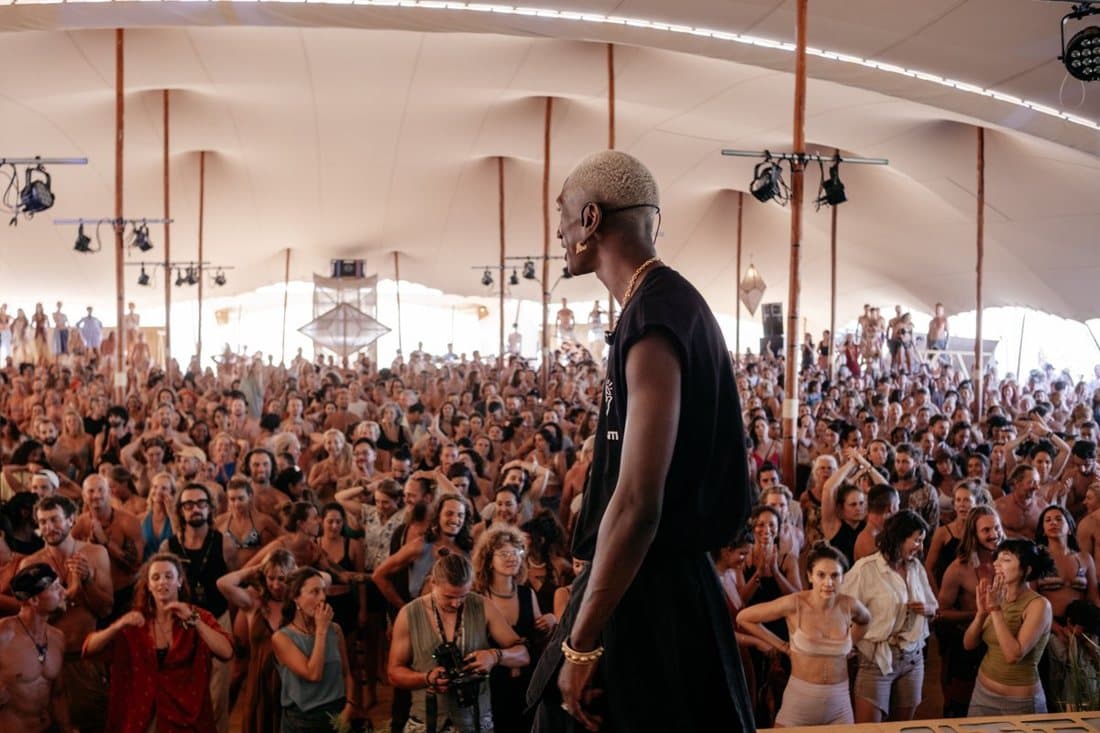
While you live it, the photographers are working.
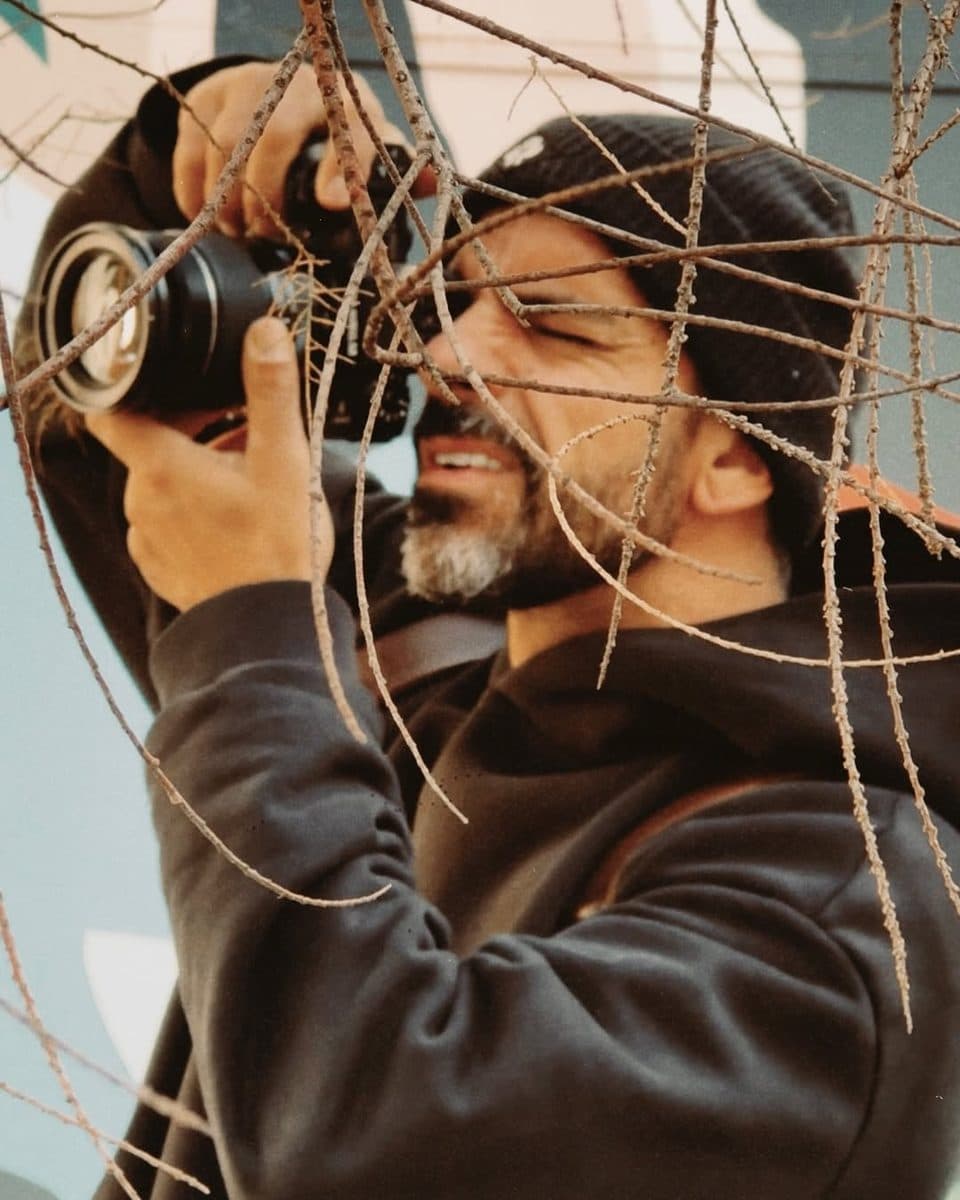
Photographers can upload during the event, so photos can appear while it is still on.


A QR code at the event, or the event link sent to you before, during or after it. No app, no account.
 Find your photos
One photo of your face, taken in the browser, used only to find you.
After your consent. Your selfie is deleted after 30 days.

Search takes seconds across the photos already uploaded.


Yours to keep, and to share.
Finding your photos should feel as relaxed as the event itself. Here is what happens to your selfie.
Nothing is scanned until you agree.
Your selfie is used only to find your photos, then deleted after 30 days.
Your selfie and the event photos are hosted in the European Union.
The selfie is your choice. Skip it and nothing is scanned.
Real photographs from events that used TIME&SPACE. People with their phones away, looking at each other.



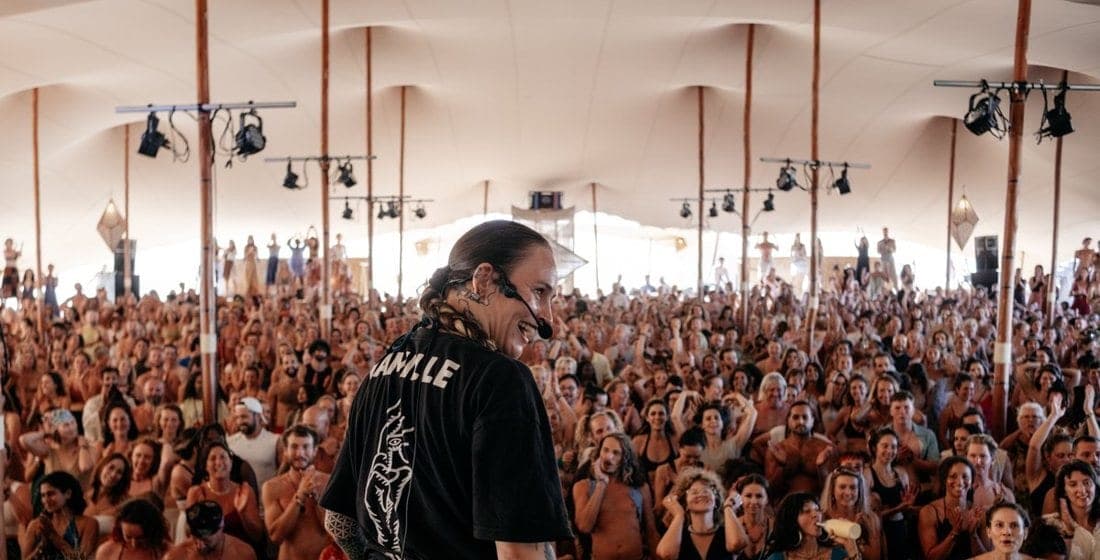
The best photo of the night is the one where you are looking at someone, not at your screen.


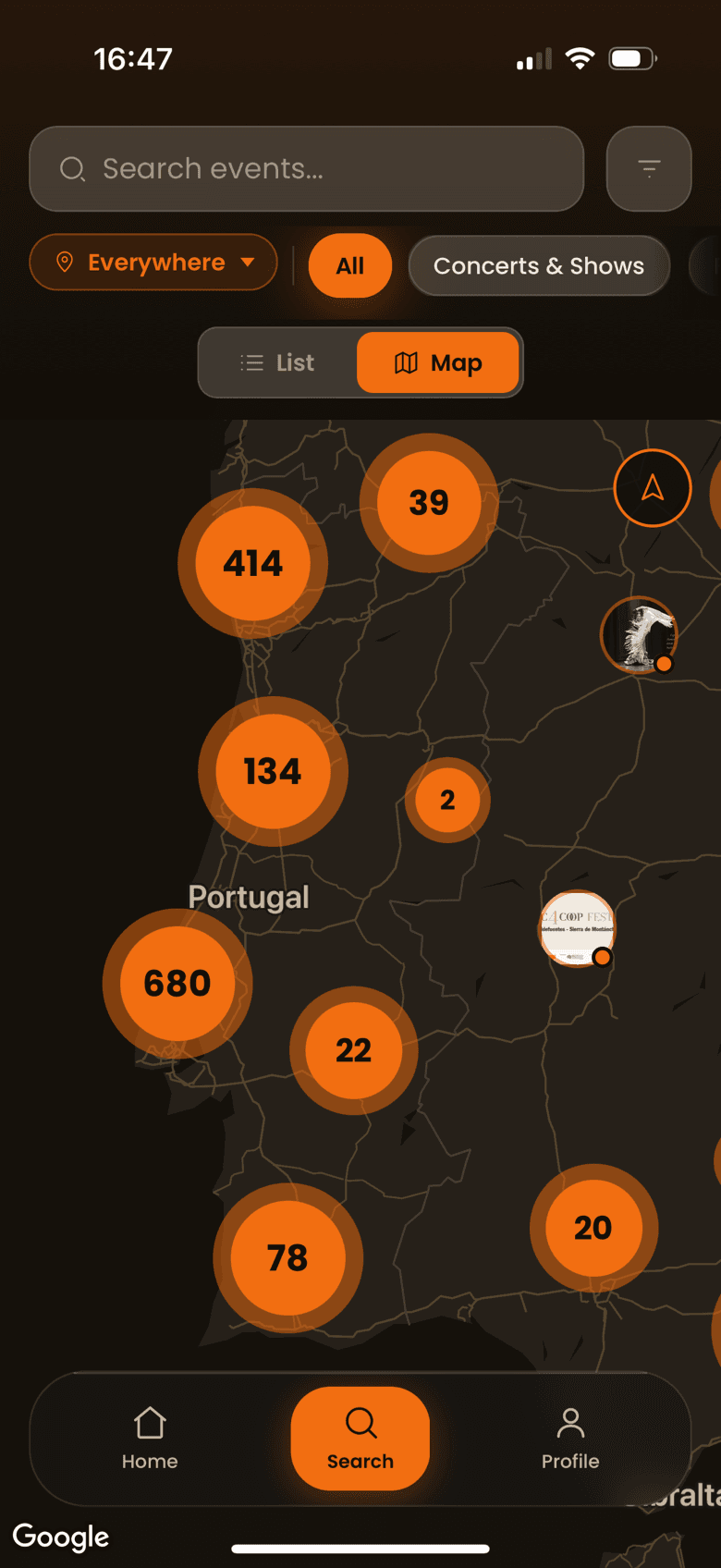
Public events are listed in the TIME&SPACE app, on a map and in a feed. Go, put the phone away, and find your photos after.
Three studies and one cultural shift. Each says, in its own way, that the phone in your hand quietly takes something from the moment you are trying to keep.
Henkel, 2014Psychological Science. Replicated in 2024 (Soares and Storm)
Ward et al., 2017University of Texas at Austin, about 800 participants
Barasch, Zauberman and Diehl, 2017Journal of Consumer Research
567%
Phone-free events increased 567% from 2024 to 2025. People are already choosing to put the phone away. Eventbrite, April 2026
Sources. Henkel, L. A. (2014), Psychological Science, photo-taking impairment effect; replication: Soares and Storm (2024). Ward, A. F. et al. (2017), University of Texas at Austin, about 800 participants. Barasch, A., Zauberman, G. and Diehl, K. (2017), Journal of Consumer Research, how the intention to share can undermine enjoyment. Eventbrite (April 2026), phone-free events 2024 to 2025.
Yes. The organiser pays for the event, so guests find and download their photos at no cost.
No. Scan the event's QR code or open its link, and take one selfie in your browser. The TIME&SPACE app is optional, for finding your next event.
After your consent, your selfie is compared with the event's photos and you see the ones you appear in. Your selfie is deleted after 30 days, and the data is hosted in the European Union.
If a photographer captured you, your photos appear once they are uploaded. Photographers can keep uploading after the event, so check again later.
Conferences, corporate events, summits, concerts, sports events, weddings and private celebrations.
We've got the memories covered.