Photo Delivery for Stadiums and Arenas

TIME&SPACE · Organiser's Playbook
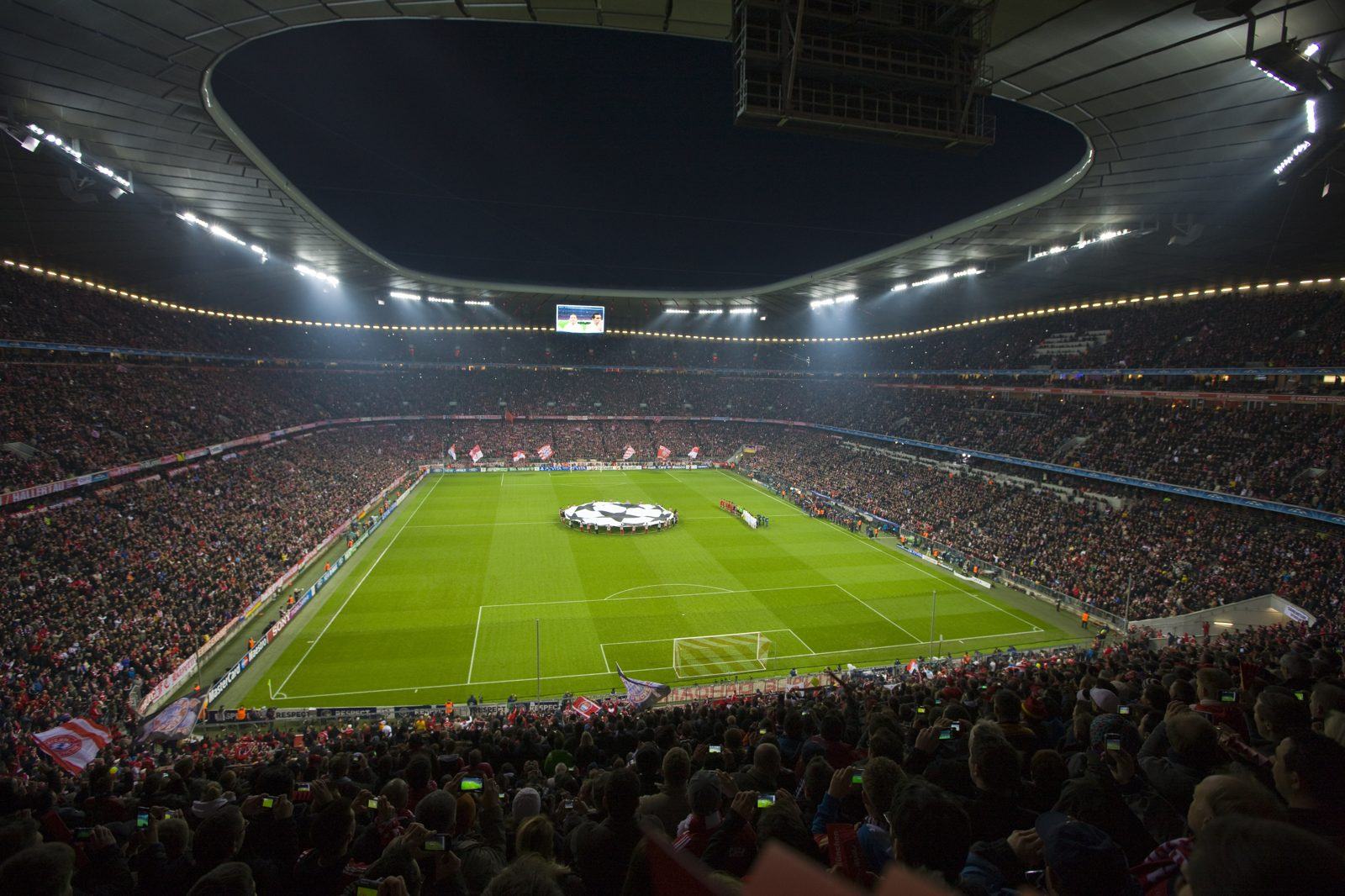
A stadium is not one event, it is a venue that hosts a different one every week: a match, a touring concert, a corporate takeover. Photo delivery has to reset for each booking while the building itself never changes.
Photo Delivery for Stadiums and Arenas
In short: A stadium or arena is not a single event, it is a venue that resets for a different one every week, a match, a touring concert, a corporate takeover of the pitch. The organiser changes constantly and the building never does, which means photo delivery has to be set up fresh each time rather than left running from the last booking.
A festival site exists for one event and is torn down after it. A stadium is the opposite: the same bowl, the same floodlights, the same gates, hosting a home match on Saturday and someone else's product launch on the pitch the following Tuesday. How venues choose a photo delivery partner covers the venue's own side of that arrangement. This post is about running a single event inside that kind of building.
One venue, a different organiser every time
Whoever books the stadium for a given date is the event owner in TIME&SPACE, not the venue itself, because the venue did not invite the guests, sell the tickets or choose the photographer. A club running its own match days, a promoter touring one act through for a night, and a brand that has rented the pitch for a launch are three unrelated organisers who happen to use the same building in the same month. Each gets its own event, its own gallery, its own QR code and its own team, the way concerts and live music venues already work at a smaller scale. Nothing carries over from one booking to the next, which is exactly what should happen when the people in the seats are not the same people twice.
Floodlit, after dark, and shot from a distance
Most stadium events run under floodlights rather than daylight, and a seated crowd is photographed from much further away than a festival crowd standing shoulder to shoulder. Both of those work against face matching unless the photographer accounts for them: a face lit only by a stadium floodlight from thirty metres away is a harder match than the same face in daylight at arm's length. What makes a photo findable is the same physics here as anywhere else, it is just less forgiving in a bowl this size, which is a reason to get photographers down into the stands and the concourse rather than shooting everything from the gantry.
Access is tighter than almost any other venue
A stadium runs its own accreditation on top of whatever the organiser wants, security passes, zoned access, pitch-side restrictions that have nothing to do with photo delivery and everything to do with running a venue that size safely. Photographer accreditation and access matters more here than at a one-off venue precisely because the building's own rules do not bend for a single booking, so sorting out who can go where is worth doing days before the event rather than at the gate.
The guest count is a plan decision, not a venue one
A stadium's seating capacity is not the same number as the guests who will actually want their own photo, because most of a crowd at a match or a concert never scans a QR code at all. STARTER, ADVANCED or PRO should be sized to the guests you expect to register, not the number of seats in the building, and a genuinely large one-off needs the custom bulk pricing built for exactly that case rather than being forced into a standard tier.
The short version
Treat the venue as a constant and the event as the thing that changes: a new organiser, a new gallery, a new team for every booking, with nothing inherited from the last one. Brief photographers for floodlit, long-distance conditions rather than daylight habits, sort out accreditation early, and size the plan to the guests who will actually look for their photos, not the stadium's seat count.

Founder, TIME&SPACE