TIME&SPACE Blog
Insights for
Event Professionals
Guides, strategies, and stories for event organisers, photographers, and the people who make events worth remembering.
Featured

Startup Summit Lisbon 2026: Everything You Need to Know
Two days at Unicorn Factory Lisboa in September, built around founders rather than headline keynotes, with a Guinness World Records pitch marathon attached. Here is what the event is, what it costs, and how to plan for it.
Roster Pro: Who Actually Needs the 88 EUR Add-On
The roster, uploading a speaker or artist lineup so each person's photos find them automatically, comes with Advanced and Pro. On Starter it is a separate 88 EUR add-on called Roster Pro. Here is exactly when that applies.
Archive Pricing: 50% Off Delivering a Past Event's Photos
Photos from an event that already happened still get a full STARTER, ADVANCED or PRO delivery, at 50% off the standard price, agreed directly and invoiced.
Where Your Event's Photos and Face Data Are Actually Stored
Event photos sit in Ireland, face matching runs in the Netherlands, and nothing involved in finding a guest's photo leaves the EU.
Claiming Your Event on TIME&SPACE: What It Means When We Already Built the Page
TIME&SPACE builds a page for public events before anyone signs up. If yours already exists, claiming it is free, one click, and the link stays valid for 90 days.
Changing Your Username on TIME&SPACE: What Happens to Your Old Profile Link
Change your TIME&SPACE username and the old one keeps redirecting for 90 days, so any link, QR code or bio you already shared still finds you. Here's the exact rule.
Who Can Access Your Event Dashboard: Owner, Team Member, and Photographer
A TIME&SPACE event has three access roles: Owner, Team member, and Photographer. Here's exactly what each one can do, and the one thing a photographer can touch that surprises most owners.

Pricing for Non-Profits and Associations
Registered non-profits and associations can get pricing below the standard plans, decided case by case and framed as a partnership, never a fixed discount code.
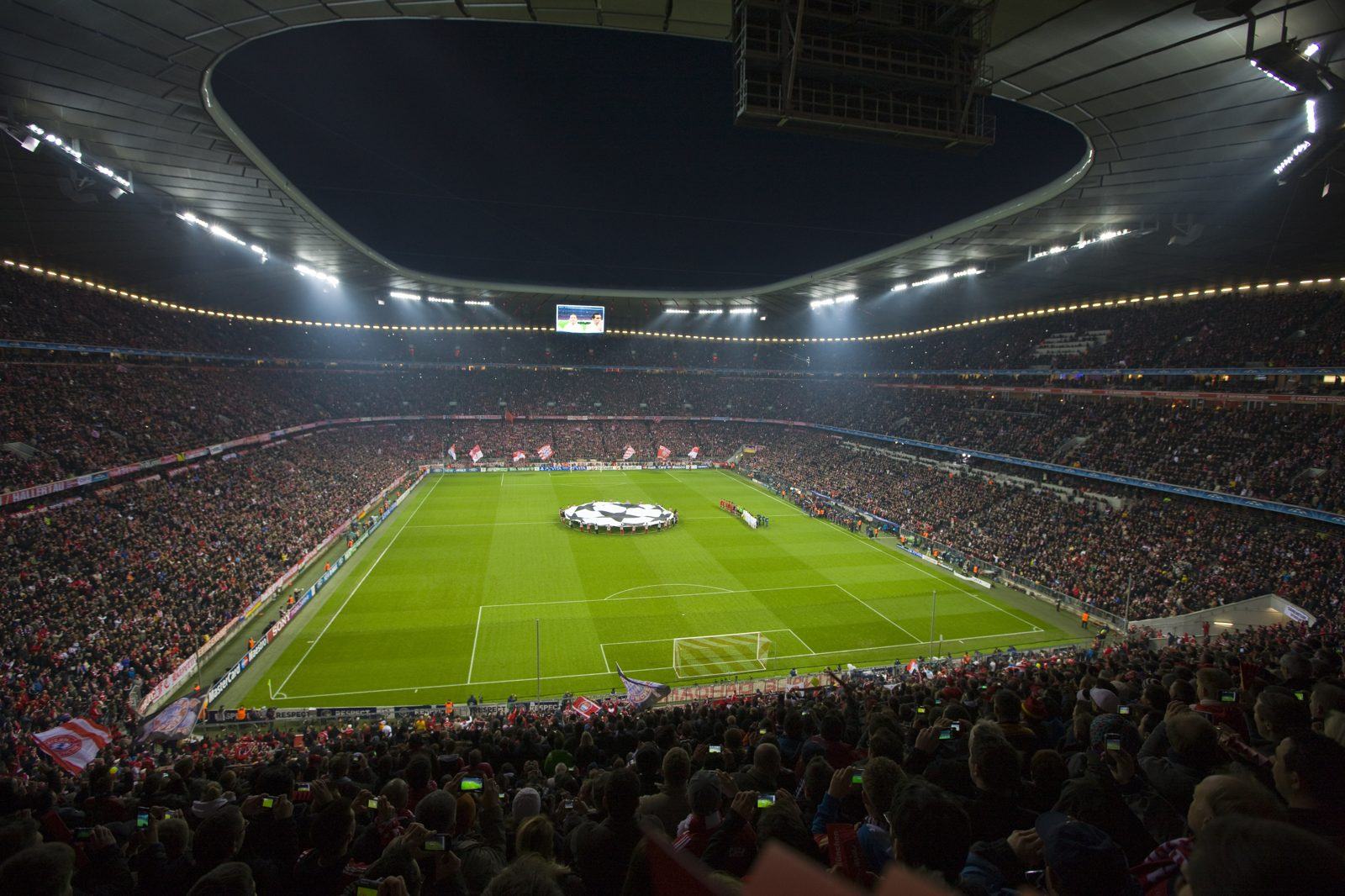
Photo Delivery for Stadiums and Arenas
A stadium is not one event, it is a venue that hosts a different one every week: a match, a touring concert, a corporate takeover. Photo delivery has to reset for each booking while the building itself never changes.
The Wave Effect: Why a Past Event's Photos Get Shared All at Once
A live event's photos trickle in as guests scan all day. A past gallery's whole guest list learns at once, so claims and shares compress into 48 hours.
How Many Photos Can a Guest Download in a Day? The Limit Explained
There is exactly one download limit on TIME&SPACE: 100 photos a day for anyone who is not running the event. Photos your own face scan matched do not count at all.
The Sponsor Package: How It Actually Finds Your Sponsors in the Photos
The Sponsor Package scans your event photos for each sponsor's logo and gives that sponsor a private page with the photos where we found it. Here is how it works and what it costs.

The Verified Badge on a TIME&SPACE Organiser Profile: What It Actually Takes
The Verified chip on a TIME&SPACE organiser profile is automatic after one real, paid or admin-assigned event. Never for sale, never for a draft.

How the TIME&SPACE App Decides What You See First
The TIME&SPACE app home feed is not one flat list. A small set of personal cards sits above it, then a ranked feed decides which events to show first, weighing how soon an event starts, how live it is right now, and whether it matches what you actually care about.
TIME&SPACE vs Kamero: A Euro Price on the Page and Your Guests' Data in the EU
Looking for a Kamero alternative? TIME&SPACE gives you a public euro price per event, EU data processing and a 365-day gallery on every plan.
TIME&SPACE vs SpotMyPhotos: One Price Per Event, No Monthly Subscription
Looking for a SpotMyPhotos alternative? TIME&SPACE charges one euro price per event, no monthly plan, with EU data and a 365-day gallery on every plan.

How Conference Attendees Get Their Photos on LinkedIn, Fast
Attendees want their conference photos on LinkedIn while the event is still fresh. How face matching and a built-in share panel get them there, step by step.

How We Find Therapists in Portugal: Marcar Terapias
Marcar Terapias is a free directory of wellness spaces and therapists in Portugal. Here is what it is, how it works, and why a company about presence cares.

QR Code for Wedding Photos: Two Very Different Things
A QR code for wedding photos can collect your guests' phone snaps, or help each guest find the photographer's pictures of them. Which one fits your day?

Refunds, Support, and Guest Limits: What You Can Actually Expect
What happens if you ask for your money back, what support you actually get, and what happens if your event brings more guests than your plan expects.

TIME&SPACE vs PhoTech: The Alternative Built to Deliver Event Photos
Looking for a PhoTech alternative? TIME&SPACE delivers every guest their own event photos by QR and selfie, at a fixed price per event.

What Happens to the Face Index Built From Your Event Photos
Your event photos can stay in your archive indefinitely. The face index built from them cannot: it is deleted within a year of upload, whether or not you keep the photos themselves.

Promotional Videos: Trailers, Speaker Reels, and Brand Films
TIME&SPACE's agency produces promotional video for events: trailers before it, speaker reels or brand films after, scripted and edited by the same crew.

Why Your Event Photo Link Stops Working
A photo link that opened fine yesterday can return an error today. That is a private storage bucket protecting your photo, not a bug, and here is exactly how long each link lasts.

Get Notified When More of Your Event Photos Appear
A single scan does not have to be the only time you check. Give an email or sign in, and TIME&SPACE keeps comparing your face against new uploads and tells you when more of your photos show up.

Your Photographer Portfolio Page: What's Actually On It
Every photographer account on TIME&SPACE gets a public portfolio listing the events they shot, credited only for their own photos. Here's exactly what it shows, and why organisers never get one.

Event Photography and Video Crews: How Booking Works
A one-person festival shoot and a multi-camera conference stage need different crews, briefed differently, before anyone picks up a camera. Here is what TIME&SPACE's agency side actually coordinates, and how it hands straight into the photo delivery platform.
TIME&SPACE vs FotoOwl: One Price Per Event, No Subscription
Looking for a FotoOwl alternative? TIME&SPACE matches guests to their photos for one flat price per event, with EU hosting and published retention.
TIME&SPACE vs Fotop: Guests Never Pay for Their Own Photos
Looking for a Fotop alternative? With TIME&SPACE guests never pay: the organiser pays once per event and every guest gets their photos from a selfie.
TIME&SPACE vs Honcho: The Honcho Alternative Built for Organisers, With EU Data
Looking for a Honcho alternative? TIME&SPACE is bought per event by the organiser, keeps face data in the EU and publishes every retention period.
TIME&SPACE vs Memzo: The Memzo Alternative With One Fixed Price and EU Data
Looking for a Memzo alternative? TIME&SPACE charges one fixed price per event, processes faces in the EU and includes analytics, branding and crews.
TIME&SPACE vs Photier: The Photier Alternative With a Fixed Price Per Event
Looking for a Photier alternative? TIME&SPACE gives every guest their photos from one selfie, no app, at a fixed price per event you see upfront.
TIME&SPACE vs PhotoMea: The PhotoMea Alternative Built Around Your Event
Looking for a PhotoMea alternative? TIME&SPACE gives every guest their photos from one selfie, at a published price per event, from Lisbon.
TIME&SPACE vs Pixieset: The Alternative That Gives Every Guest Their Own Photos
Looking for a Pixieset alternative for events? TIME&SPACE gives every guest their own photos from one selfie, priced per event, with EU processing.
TIME&SPACE vs TurtlePic: Per-Event Plans With Consent and EU Data Built In
Looking for a TurtlePic alternative? TIME&SPACE sells per-event plans with explicit consent, EU data, published retention and a 365-day gallery.

Shooting for Face Recognition: What Makes an Event Photo Findable
Face recognition can only find a face it can actually see. A practical guide for event photographers on what makes a face indexable, and what TIME&SPACE already does to catch the harder shots.

Same-Day Social Content: Turning Event Footage Into Posts Before the Next Morning
An event generates hours of raw footage and almost none of it gets posted while anyone still cares. TIME&SPACE's agency side turns that footage into platform-ready cuts the same day, sized for Instagram, LinkedIn, and TikTok.

Deleting Your Account: What Actually Happens
Deleting your TIME&SPACE account does not erase anything right away. It opens a 7 day grace period you can cancel, then an automatic erasure.

What Your Event Analytics Dashboard Actually Shows You
Scans, matches, downloads, shares, upload velocity by hour: every event plan includes analytics. Here is exactly what the numbers mean and where each one comes from.

Importing Event Photos From Google Drive or Dropbox
A photographer's photos often sit in a cloud folder before they ever touch TIME&SPACE. Instead of downloading them to a laptop and re-uploading, the cloud importer pulls them in directly from Google Drive or Dropbox, in the same formats a direct upload accepts.

Photo Visibility: Public, Match Only, or Private
Every photo on TIME&SPACE carries one of three visibility settings. Public sits in the gallery for anyone to browse. Match Only is delivered only to the guest whose selfie matches it. Private never reaches a guest at all, not even that same guest.

The Share Button: How a Guest's Photo Reaches Instagram in One Tap
Every photo a guest finds, on the scan results page, in the public gallery, on a photographer's portfolio, carries the same share button. One tap opens the phone's own share sheet, Instagram, WhatsApp, Messages, with the watermarked photo already attached.

Event Team Roles: Who Can Do What on Your Event
An event is rarely run by one person. TIME&SPACE lets an owner add team members and photographers to an event, each with a different set of permissions, and team size is unlimited on every plan.

The Event Cover Photo: What It Actually Does
An event's cover photo is not decoration. It is what sits at the top of the guest gallery and what every social app shows when someone shares the event's link, on every paid plan, no Event Branding required.

What Makes an Event Aftermovie Worth Watching
Most event aftermovies get watched once, by the organiser, and never shared again. The ones that get shared are built with direction during the event, not assembled afterward from whatever the photographers happened to also capture on video.

Event Branding: What's Actually Behind the Name
Event Branding is two specific things: a custom colour scheme and a custom font on your guest gallery pages, available on ADVANCED and PRO. The logo and the tagline are not part of it, because every plan already includes those.

How to Customise Your Event's QR Code
The QR code that sends guests to their photos does not have to be a plain black square. TIME&SPACE lets you set its colours, dot shape and logo, checks the result stays scannable, and exports it as PNG, SVG or PDF for print.

How Many Photos Can You Download From Your Event Gallery
There is one download rule, and it fits in one sentence: 100 photos a day for anyone, no limit at all on the photos your own face scan matched. Here is how that actually works.

What Happens to Your Selfie After You Scan It
Scanning your face to find your event photos does not create a lasting record of it. Here is exactly what happens to your selfie, and for how long.

Past Galleries: Delivering Photos From an Event That Already Happened
Face recognition does not care when a photo was taken. Upload the photo set from an event that already happened, any format, any volume, and past attendees find their own photos with a single selfie, at 50% off any standard plan.

Atmosphere Photos: The Shots That Show Up Before Anyone Scans a Selfie
On every TIME&SPACE plan, photos with no recognisable face, crowd shots, venue details, stage wides, publish themselves to your event page automatically. No selfie required, no organiser action needed.

Invite Links: Track Which Channel Actually Brings Guests to Their Photos
Hand out as many labelled, trackable links to your one event URL as you need. Each one counts its own visits, so you see which channel actually sent people to their photos.

Roster Invites: Automatic Photo Delivery for Speakers and Performers
A roster invite lets an organiser add a speaker or performer by name and email before the event even happens. If they agree and leave one photo of themselves, TIME&SPACE finds them in the uploaded photos and emails their photos automatically, no QR code, no gallery visit.

How to Embed Your Event Photo Gallery on Your Website
Every paid TIME&SPACE plan includes an embed widget: one snippet that drops your event's full photo gallery straight into your own website. Here's what it actually shows, and what it still carries no matter which plan you're on.

How Much Does Event Photo Software With Face Recognition Cost?
What face-recognition photo delivery costs per event, the four ways it is priced, what the price actually depends on, and the questions that reveal the real total before you sign.
Event Photo Delivery Platforms in Europe 2026: Why Organisers Choose TIME&SPACE
Eleven event photo platforms in Europe compared on who pays, public price and where face data lives, and why organisers choose TIME&SPACE for delivery.
TIME&SPACE vs Sportograf: Free Photos for Every Guest, With No Bib Numbers Needed
Looking for a Sportograf alternative? TIME&SPACE gives every guest their photos free from one selfie, no bib numbers, one price per event for organisers.
TIME&SPACE vs Fotify: Your Photographer's Photos, Delivered to Every Guest
Looking for a Fotify alternative? TIME&SPACE delivers your photographer's photos to every guest by face match, from one selfie, with EU privacy.

TIME&SPACE vs Premagic: The Premagic Alternative Built for Photo Delivery
Looking for a Premagic alternative? TIME&SPACE delivers every guest, speaker and artist their photos, with public pricing and biometric data in the EU.
TIME&SPACE vs GetPica: The GetPica Alternative Where Guests Never Pay
Looking for a GetPica alternative? TIME&SPACE gives every guest their photos free, with public per-event prices, 365-day galleries and no sales call.

TIME&SPACE vs Memento: The Memento Alternative With a Price You Can See
Looking for a Memento alternative? TIME&SPACE delivers every guest, speaker and sponsor their photos, with public per-event pricing and no sales call.

Your Organiser Profile: One Page for Every Event You've Run
Every organiser on TIME&SPACE gets one page listing every event they've run, past and upcoming, at one address that never changes. Here's what it actually shows and why it exists alongside the event page, not instead of it.

Photo Delivery for Job Fairs and Career Events
A job fair fills a hall with strangers meeting for the first time. Photo delivery has to reach both sides, employers and candidates, without turning either into a lead list.

Photo Delivery for Parades and Street Festivals
A parade has no fixed audience and no gate. Photo delivery for parades and street festivals has to work for a crowd that was never counted and never checked in.

Photo Delivery for Running Events and Charity Runs
A runner crosses the finish line and leaves within the hour. Photo delivery for running events only works if the gallery is ready before they do.

Photo Delivery for Comic Conventions and Cosplay Events
A cosplay crowd is the one audience built entirely around being photographed, and also the one hardest for face recognition to read. Masks, paint, and prosthetics change the plan without changing the demand.

Photo Delivery for Town Halls and All-Hands Meetings
Every guest at a town hall is also a badge number, a manager, and a job title, which changes what consent actually has to cover. The room is seated and easy to shoot. The harder problem is everyone who was not in it.

STARTER, ADVANCED or PRO: Choosing the Right Plan for Your Event
Three plans, one real question: how many guests are coming, and does the gallery need to look like your event rather than like a generic tool. Everything else follows from those two answers.

Photo Delivery for Food and Wine Festivals
A food and wine festival has no stage to face and no seats to sit in. Guests graze between stalls in a loose crowd, and the photos worth delivering are spread across the whole footprint, not concentrated at one point.

TIME&SPACE Is Partnering With REINVENT the Event 2026
TIME&SPACE will be at REINVENT the Event 2026 in Estoril on 19 October, as a partner. Here is what the gathering is and why it is worth an event professional's day.
Photo Delivery for Dance and Performing Arts Recitals
A dance recital fills one room with dozens of families who each want photos of one child, from a show that runs class by class for two hours. Face recognition is built for exactly that split, but the consent has to come from a parent, not the performer.
Photo Delivery for Esports and Gaming Events
Most of the crowd at an esports event is watching a screen, not a stage, and the people worth photographing are split between soundproof player booths and a costumed audience that came to be seen. Delivery has to reach both.
Photo Delivery for Concerts and Live Music Venues
A concert is not a small festival. One artist, one night, a photo pit with a three-song limit, and a venue that hosts a different show tomorrow. Photo delivery for it needs its own plan, built for the venue, not the lineup.
Photo Delivery for Corporate Holiday Parties
A company holiday party is the one event on the calendar where colleagues, partners and sometimes children all show up together, off the clock, and every one of them wants the photos afterward. It needs its own plan, not a smaller version of the team offsite.
Photo Delivery for Family and Alumni Reunions
A reunion brings together people who last stood in the same room five, ten, twenty years ago, and it spans every age from a grandparent to a toddler who was not born the last time. Photo delivery has to work for all of them, not just the guests who find a QR code easy.
Photo Delivery for Art Exhibitions and Gallery Openings
A gallery opening photographs the work, the artist, and the room, but only one of those three is what most guests actually came for a photo of: themselves standing in it.
Photo Delivery for Fashion Shows
A runway show has three audiences who need different photos on different timelines: press who need them within the hour, buyers who need the full look, and the brand that needs to control what goes out first.
Photo Delivery for Milestone Birthday Parties
A milestone birthday has no ticket list, no badge scan, and often no single host in charge of anything beyond the venue. Photo delivery still has to reach fifty guests who never gave anyone their email.
Photo Delivery for Hackathons and Tech Meetups
A hackathon runs for 24 or 48 hours straight, has no fixed schedule anyone can hand a photographer, and ends with teams too exhausted to think about photos at all. Delivery has to work around all three.
Photo Delivery for Networking Events and Mixers
A mixer has no schedule, no stage, and no single moment everyone shares. The photos that matter are dozens of small ones, two people talking, a business card changing hands, and the delivery has to keep pace with a room that never holds still.
Photo Delivery for Corporate Offsites and Team-Building Events
An offsite is not a public event, and it should not be delivered like one. The photographs still need to reach every person who was there, but the audience is closed, everyone knows everyone, and the photos are going back into the office on Monday.
Photo Delivery for Baptisms, First Communions, and Religious Ceremonies
A baptism or a first communion has one family at the centre and a room full of relatives who all want the same handful of photographs. Here is how to get them there without a group chat.

How to Choose a Startup Conference in 2026
Europe's startup events are not competing for the same job. Four of them, what each is actually built for, and an honest look at where a September event in Lisbon fits.
Photo Delivery for Product Launch Events
A product launch has three audiences in the same room, each wanting different photographs for different reasons. Guest delivery built for one of them quietly fails the other two.

AI Editing in Event Photography: Where the Line Is
Generative editing tools can remove a person, invent a background, or open closed eyes. On an event photograph, some of that is retouching and some of it is fiction. The line is worth agreeing before the event, not after.
Photo Delivery for Agencies and Production Companies
Running delivery for one event is a task. Running it across a dozen client events a year is a system, with its own questions about ownership, access and what happens when a client leaves.
Onboarding a Photographer to Your Event's Photo Delivery
The creative brief and the venue accreditation both get done. The half hour that decides whether photographs actually reach guests is the one nobody schedules.
Should Guests Need an Account to Get Their Event Photos?
Every field you put between a guest and their photographs costs you some of them. Sometimes the account earns its place, and it is worth knowing exactly what it buys before you ask for it.
Delivering Event Photos to Your Crew and Volunteers
The people who built the event are the least likely to appear in its photographs, and the least likely to be sent any. Both of those are fixable, and one of them is how you get them back next year.
Running Photo Delivery at a Multilingual Event
The scan itself needs almost no words. Everything around it does, and those are the parts that get machine translated at midnight and never read again.

Which Photo Sizes and Formats Event Guests Actually Need
Most event galleries deliver one file size to everyone. Guests want something they can post in ten seconds. Sponsors and press want something that survives print.
Photo Delivery for Workshops and Training Events
A thirty person workshop produces the highest photo density of any event you will run. Almost nobody plans for it, and the photographs sit in a folder nobody opens.

Uploading Event Photos When the Venue Connection Is Bad
Same-day delivery depends on a connection nobody checked. Here is how to plan the upload so poor venue wifi slows the job down instead of stopping it.
Photo Delivery for Private and Invite-Only Events
Some events should never appear in a search result. Delivering photographs from them means separating two things most galleries treat as one: who can reach the page, and who can be found on it.
Photographer Accreditation and Access at Events
Most of the photographs your event never gets are lost to access, not to skill. Accreditation is the document that decides what your photographers are allowed to see.

Best Client Gallery Software for Event Photographers
A client gallery built for one buyer browsing their own photos is the wrong tool for an event with hundreds of guests. Comparing the two categories and where each fits.

Best Photo Delivery Platform for Festivals
Festival crowds break most photo delivery methods at scale. Comparing manual archives, static galleries, and face-matched delivery for events with thousands of guests.

Best Photo Delivery Software for Conferences
Comparing the three ways conferences get photos to attendees: a shared drive link, a browsable gallery, and face-matched instant delivery. What actually gets used.

Best Photo Delivery Software for Large Events
Tools that work fine at 200 guests often quietly stop working at 2,000. What to check before choosing photo delivery software for a genuinely large event.
Best Photo Delivery Software for Trade Shows and Exhibitions
Trade show photography splits between exhibitor booth shots and general floor coverage. Comparing delivery methods for both, and why one platform can serve either.

Best Photo Delivery Tool for Wedding Photographers
Wedding photographers are compared on how fast couples and guests get their photos, not just on the photos themselves. Comparing manual export against automated delivery.
Best Photo Sharing for Wellness Retreats
Retreats sit somewhere between an intimate event and a group of strangers who want their own quiet keepsake, not a public feed of everyone else's experience.
Best Way for Conference Speakers to Get Photos of Their Talk
Speakers need a good photo on stage more than almost anyone else at a conference, for their own site and next year's speaking application. Most never get one.
Best Way for DJs to Get Photos From Their Sets
A DJ plays a two-hour set and usually ends up with nothing to post, chasing whoever had a camera. Comparing how DJs actually get their own photos versus how they should.
Best Way to Share Party Photos With Every Guest
Birthdays, anniversaries, and private parties produce photos scattered across dozens of phones. Comparing group chats, tagged posts, and a proper shared gallery.
Best Wedding Photo Sharing App: Comparing Your Options
WhatsApp groups, shared drives or face-matched delivery: how wedding guests really get their photos, and why face matching is the one built for guests.
Event Photo Embargoes: What Organisers Need to Know
An embargo asks every photograph to wait for a moment that guest delivery is built to skip. Get the timing wrong and the surprise is gone before the room finds out.

Fastest Way for Photographers to Deliver Event Photos
Comparing the actual speed of three delivery methods, from a same-week export to an automated pipeline that starts matching photos while the event is still running.

How Venues Choose a Photo Delivery Partner
A venue evaluating photo delivery vendors is comparing a favour to a revenue line. What separates a tool that photographers tolerate from one venues can resell.
TIME&SPACE vs Google Drive for Event Photos
Google Drive is free and familiar, which is exactly why so many events default to it. Here is what it actually costs an organiser in retrieval, privacy, and guest experience.
Delivering Event Photos to Artists and Speakers
The people on your stage need photographs of themselves more than anyone in the room, and they are usually the last to receive any.

Shooting Outdoor Events in Bad Weather
Rain, heat and dust do not cancel events, so they do not cancel the shoot either. What they change is how long your equipment lasts and how usable the pictures are.

Drones at Events: Permissions, Safety and Whether It Is Worth It
Aerial footage sells an event better than almost anything else. It is also the part of the shoot with real legal exposure, and the rules are stricter over a crowd than most people assume.

Backstage Access and How Not to Lose It
Backstage produces the photographs nobody else has. It is also the fastest place to end a working relationship, usually over something small.
How to Organise Group Photos Without Losing the Room
The group photograph is the most requested frame at most events and the one most likely to go wrong. The problem is almost never the camera.
Photo Delivery for Recurring Community Events
A monthly gathering has an advantage a festival never will: the same people keep coming back. Almost nobody builds their photo delivery around that.

What Photography Is Actually For at a Streamed Event
When an event is already being filmed from four angles, organisers start asking why they are also paying a photographer. The answer is not the one most people give.
Getting Event Photos to Press and Media Partners
Press coverage of your event depends on a journalist having a usable photograph before their deadline. Most organisers send the wrong files, too late, with no licence attached.

What Belongs in an Event Photography Contract
Most disputes between photographers and organisers are not about money. They are about something both sides assumed and neither wrote down.
Photographing Children at Events: Consent, Care and Delivery
Family events, school ceremonies and community festivals all involve children in the frame. The rules are not complicated, but they have to be decided before the day rather than argued about after it.
When the Photographer Cancels: An Event Photography Contingency Plan
A camera dies, a card fails, someone wakes up ill on the morning of the event. None of these are unlikely. The difference between a bad day and a lost archive is whether the plan existed before the phone rang.

How to Pilot Photo Delivery at a Single Event
Do not roll this out across a season on the strength of a demo. Run one event properly, measure four things, and you will know more than any sales call can tell you.

The Guest Who Looks Before the Photos Are Up
Someone always checks the same night. What they find in that moment sets their expectation of whether the photographs are ever coming at all.

Shift Handover Between Photographers at Long Events
On a twelve hour event somebody hands over to somebody else. That five minute conversation decides whether the second half of the gallery matches the first.
Photo Delivery for University and Student Events
Universities run more events per year than almost any other organisation and deliver photographs worse than almost any other, mostly because the team changes every June.

Using Event Photos for Internal Communications
Company event photographs usually end up in a folder nobody opens. The difference between that and a genuinely useful asset is mostly about who can find themselves.

Why Your Event Needs One Real URL
Most events scatter themselves across a ticket link, an Instagram post and a PDF. None of those is an address, and it shows the moment someone searches for you.
Photo Delivery at Brand Activations and Pop-Ups
An activation has one advantage over every other event type: people came expecting to be photographed. The failure is almost always in what happens after they walk away.

What Event Photo Storage Really Costs
Storage looks cheap per gigabyte and expensive per year, because the bill grows with every event and nothing ever leaves. Here is how to size it before it surprises you.

Event Photo Metadata: What to Keep and What to Strip
Every file you deliver carries a hidden layer of data. Some of it protects your authorship. Some of it tells a stranger where a guest was at 23:14.

Twelve Questions to Ask a Photo Delivery Vendor
Demos are designed to look good. These are the questions that separate a product that works at your event from one that works in a sales call.

Getting a Consistent Look Across Multiple Photographers
A gallery shot by three people usually looks like a gallery shot by three people. Most of the fix happens before anyone picks up a camera, not in the edit.

Face Scan With Glasses, Masks and Head Coverings
What actually affects a face match is smaller than people expect. Glasses and head coverings are mostly fine. What breaks it is anything across the middle of the face.
Guests Who Do Not Want to Be Photographed
Every event has a few. Handled well it costs you nothing and they never think about it again. Handled badly it is the thing they remember about your event.
Someone Wants Their Photo Taken Down. Now What?
Takedown requests are rare, easy to handle, and go badly only when nobody decided in advance who answers them. Here is the process, written before you need it.

Group Photos and Face Search: Where It Gets Hard
A face search that works perfectly on portraits can still miss you in the back row of a group shot. The reasons are physical, not mysterious, and mostly fixable at capture.
How Many Photographers Does Your Event Actually Need?
The honest answer depends on how many places something can happen at once, not on how many guests you have. Guest count is the wrong number to budget from.

On-Site Backup: The Twenty Minutes That Save the Whole Job
Card failure is rare and total. A simple on-site routine costs twenty minutes across a shoot and removes the one risk you cannot apologise your way out of.
Accessible Event Photo Galleries: The Guests You Are Currently Losing
A photo gallery that only works for sighted users with steady hands and fast data excludes a real share of your guests. Most of the fixes are small.
Graduation Photo Delivery: Hundreds of Families, One Afternoon
A graduation produces one photograph that matters enormously to each family and nothing to anyone else. Here is how to get the right frame to the right people without a spreadsheet.

Trade Show Photography: Turning Stand Visitors Into Named Leads
A trade show stand meets hundreds of people and remembers almost none of them. Photographs, delivered properly, turn a busy afternoon into a list you can actually follow up.
Charity Gala Photography: Photos That Raise Money After the Room Empties
A gala raises money on the night. The photographs raise it afterwards, if you deliver them while donors still feel the evening. Here is how to plan coverage around that.

Elidium Festival 2026: Dates, Venue, Lineup, and How to Find Your Photos
Elidium Festival 2026 returns to DOMA, Portugal, July 24-26: the venue, the lineup, the forest-and-wellness experience, and how guests get their photos instantly via TIME&SPACE.

Medicine Festival 2026: Dates, Venue, Lineup, and How to Find Your Photos
Medicine Festival 2026 takes place August 12-17 at Wasing Estate, Berkshire: the venue, the programme, the community behind it, and how guests get their photos instantly via TIME&SPACE.
Photo Delivery for Sports Events: Every Runner Wants Their Own Frame
A road race produces thousands of participants who all want the same thing: the photo of themselves crossing the line. Here is how to deliver it without bib-number data entry.
Multi-Day Event Photography: How to Keep Delivery Fast on Day Three
A three-day festival is not one event photographed three times. Here is how to plan coverage, uploads and delivery so guests get their photos on day one instead of the week after.

Being Present at Your Wedding: What It Really Takes
Being present at your wedding is harder than it sounds when a room full of phones is filming it. Here is what presence takes, the science behind it, and how to protect it.

How to Ask Wedding Guests to Put Their Phones Away
How to ask wedding guests to put their phones away without sounding strict. The touchpoints, the wording, and the one reassurance that makes everyone say yes.

How to Get Your Photos From a Wedding You Attended
How to get your photos from a wedding you attended, without scrolling a shared album or bothering the couple. The easy way is one selfie for the photos you are in.

How Do Wedding Guests Get Their Photos? The Simple Way
How do wedding guests get their photos without a group album or a Dropbox chase? Each guest takes one selfie and receives every photo they are in.

Phones at Weddings: Should You Let Guests Use Them?
Phones at weddings are a real decision, not a rule you have to follow. Here is the honest case for and against, and what most couples actually land on.

Unplugged Wedding Pros and Cons (An Honest List)
An honest list of unplugged wedding pros and cons, without the sales pitch. What you gain, what you give up, and the one downside you can design away.

Unplugged Wedding Sign Wording: 12 Examples That Work
Unplugged wedding sign wording, done kindly. Twelve ready-to-use examples for your ceremony sign, plus the one line most couples forget: the photos.

How to Have an Unplugged Wedding (and Still Get Every Photo)
An unplugged wedding keeps your guests present instead of behind a screen. Here is how to do it kindly, and how every guest still gets their own photos after.

Wedding Photo Delivery: How to Get Photos to Every Guest
Wedding photo delivery is the part most couples forget to plan. Here is how to get the right photos to every guest without becoming their search service.

Weddings Without Phones: Why More Couples Choose Them
Weddings without phones keep your guests present instead of behind a screen. Here is why couples choose them, what guests really think, and how nobody loses the photos.

Award Ceremony Photography: The Complete Guide for Event Photographers
How to photograph award ceremonies from setup to final delivery: the right gear, shot list, timing, and delivery workflow used by working event photographers.
Event Photography Copyright: Who Owns the Photos at Your Event?
Event photography copyright determines who owns the photos taken at your event. Here is what every organiser needs to know before signing a photographer contract.
How Long Should Event Photos Stay Online?
Most organisers never decide this, so the answer becomes whatever the platform defaults to. It is worth choosing deliberately, and telling guests what you chose.

Event Photography Insurance: What Photographers and Organisers Must Know
Event photography insurance protects photographers from liability claims and equipment loss. This guide covers every policy type photographers need and what organisers should require before hiring.
How to Increase Event Photo Downloads: 7 Tactics for 2026
Most event photos go undownloaded. These 7 proven tactics help organisers increase download rates, deliver more value to guests, and prove ROI.
EDP Cool Jazz Cascais 2026: Programme, Venue, and How to Find Your Festival Photos
EDP Cool Jazz Cascais 2026 at Parque Marechal Carmona: free-entry outdoor jazz festival guide, what to expect, how to get there from Lisbon, and how guests find their professional photos instantly.

Lisboa na Rua 2026: Programme, Dates, and How to Find Your Event Photos
Everything about Lisboa na Rua 2026: Lisbon's free outdoor summer festival across parks and public spaces, and how to find your professional event photos instantly.

Photo-Taking Impairment: Why Guests Forget the Event
Peer-reviewed psychology shows that photographing the moment makes you forget it. The photo-taking impairment effect explained, and what TIME&SPACE built to fix it.

Afro Nation Portugal 2026: Lineup, Venue, Dates, and How to Find Your Photos
Afro Nation Portugal 2026 in Portimão, Algarve: venue guide, lineup info, travel tips, and how guests find their professional festival photos instantly via face recognition.

Sumol Summer Fest 2026: Lineup, Tickets, and Festival Photo Delivery
Everything about Sumol Summer Fest 2026 in Sesimbra, including lineup, tickets, and how to find your professional festival photos instantly.

How Venues Generate Revenue from Event Photography
Venues that monetise event photography generate EUR 20,000 to EUR 80,000 per year in new revenue. Here are the three models that work and how to choose between them.
Event Photography Pricing Models Compared: Which Works Best?
Event photography pricing models range from hourly rates to flat-fee packages. This comparison breaks down each model, who it suits, and what organisers should negotiate.

How Photographers Earn Referral Income: The 2026 Guide
Photographers earn 10% commission by referring event organisers to TIME&SPACE. Learn how the programme works and how to maximise your referral income.

Vector Search for Event Photo Matching: How It Works
Vector search photo matching converts faces into numbers, indexes them in a database, and retrieves exact matches in milliseconds. This is how modern event photo delivery works at scale.

Event Photography Statistics 2026: The Data
Event photography statistics 2026: market size, how many photos get taken, facial recognition growth, and the delivery gap that decides which photos get seen.

How Sponsors Use Watermarked Event Photos
A sponsor logo on every guest download turns event photos into earned media. Here is how sponsors actually use watermarked event photos, and why organisers should care.

Why Guests Can't Find Event Photos (And How to Fix It)
Guests can't find event photos for predictable reasons: late links, huge unsorted galleries, and search that ignores faces. Here is the fix.

What Guests Do With Their Event Photos
When guests actually receive their event photos, they do far more than look once. Here is what really happens after the download, and why it matters to organisers.

Event Technology Trends 2026: The Organiser Guide
The event technology trends 2026 shaping how organisers run live experiences: AI photo delivery, facial recognition, biometric consent, and real-time data.

How Facial Recognition Accuracy Works at Events
Facial recognition accuracy at events comes down to two error rates and one threshold. Here is what actually drives a correct photo match.

GDPR Compliant Event Photography Software
How to choose GDPR compliant event photography software, what the law requires for facial recognition, and the questions every organiser should ask a vendor.

NFC Wristband Photo Delivery at Events Explained
How NFC wristband photo delivery works at events, what it costs, and how it compares to QR codes and face recognition for getting photos to guests.
AI vs Manual Event Photo Tagging: Which Wins
AI photo tagging events in seconds while manual sorting takes days. Compare accuracy, cost, speed and privacy to pick the right method for your event.
Photo Booth vs Photographer for Events: 2026 Guide
Photo booth vs photographer for events in 2026. Compare cost, coverage, guest experience, and photo delivery to choose the right option for your event.
Best Photo Gallery Software for Events in 2026
Comparing photo gallery software for events in 2026, and why face-matched delivery gets every guest their own photos fast, at scale and with EU privacy.

How to Photograph Conference Speakers: A Complete Guide
Master conference speaker photography with pro techniques for stage lighting, positioning, gear selection, and fast delivery that keeps event organisers coming back.
IRL Is the New Gold: What the 2026 Experience Economy Means for Event Organisers
People are eating at home to fund concert tickets. Live Nation sold 107 million in a year. The data is unambiguous, and it changes what organisers do next.

Photographer Referral Programme: How It Works (2026 Guide)
How the TIME&SPACE photographer referral programme works: flat 10% commission, payouts twice a month, and a way to earn from organisers you already know.

How to Build Recurring Event Photography Clients
A practical playbook for turning one-off event gigs into recurring event photography clients. Pricing, follow-up, and retention tactics that compound.

Low Light Event Photography: A Complete Guide for 2026
Master low light event photography with the right gear, settings, and techniques. Deliver sharp, well-exposed images from any dark venue in 2026.
Event Photography Shot List Template: Never Miss a Moment
A proven event photography shot list template that captures every key moment, from arrival to closing remarks, and delivers the photos clients expect.

Best Lenses for Event Photography in 2026
The best lenses for event photography balance speed, focal range, and low-light performance. Here is what working event photographers actually carry.
Event Photography Lighting Tips: A Field Guide
Event photography lighting decides whether your photos look professional or amateur. Here is the field-tested approach used at real events.
How to Edit Event Photos Quickly: A Photographer's Guide
Learn how to edit event photos quickly without losing quality. A 4-stage workflow, software comparison, and preset strategy used by working photographers.
Event Photography Equipment Guide: What You Actually Need
The complete event photography equipment guide for 2026: cameras, lenses, flash, bags and the accessories professional photographers rely on at every gig.
How to Get Sponsors for Event Photography
Learn how to secure sponsors for event photography, structure deals that benefit both sides, and turn your photo delivery into a revenue-generating partnership.
Event Photo Delivery Checklist: 12 Steps
Use this 12-step event photo delivery checklist to cover platform setup, photographer uploads, face matching, guest notifications, and GDPR compliance.
How to Select Event Photos: A Curator's Guide for Organisers
Learn how to select event photos that tell the full story of your event. A practical framework for curating the best images from any shoot.
Event Photographer Brief: What to Include in 2026
An event photographer brief is a single document that defines deliverables, timeline, must-capture moments, brand assets, and photo delivery rules.
Event Photography Release Form: What to Include
A complete guide to event photography release forms: what clauses to include, when signed consent is required, and how to collect consent at scale.
Corporate Event Photo Gallery: Best Practices for 2026
Set up a corporate event photo gallery that protects attendee privacy, drives downloads, and delivers real brand value after every company event.
How to Send a Post-Event Email With Photos Attendees Love
Learn how to craft a post event email with photos attendees actually open, download, and share. Avoid the five mistakes that reduce engagement.
Event Day Photography Schedule: The Complete Timeline
A practical event day photography schedule to brief your photographer, avoid coverage gaps, and capture every key moment from setup to the final shot.
How Event Photographers Earn More by Offering Photo Delivery
How event photographers add photo delivery to their packages, earn more per event, and build recurring revenue through the TIME&SPACE referral programme.

Rock in Rio Lisboa 2026: Lineup, Tickets, and Finding Your Photos
Complete guide to Rock in Rio Lisboa 2026 at Parque da Bela Vista, including lineup dates, tickets, and how to find your festival photos.

AI-Powered Event Photo Delivery: The Complete Guide (2026)
The definitive guide to AI-powered event photo delivery. How face recognition, QR codes, and automated pipelines deliver every guest their own photos.

MEO Kalorama 2026: Lineup, Tickets, and Festival Photo Delivery
Everything about MEO Kalorama 2026 in Lisbon's Parque da Bela Vista, including lineup, tickets, and how to find your professional festival photos.
Web Summit Lisboa 2026: Everything You Need to Know
Complete guide to Web Summit Lisboa 2026 covering registration, venue, photo delivery, and how to get the most from one of the world's largest tech conferences.

Super Bock Super Rock 2026: Lineup, Tickets, and Finding Your Festival Photos
Everything you need to know about Super Bock Super Rock 2026 in Lisbon, including lineup, tickets, and how to find your professional festival photos.
How Many Photos Should an Event Photographer Deliver?
Most clients ask how many photos to deliver after an event. Here is the honest breakdown by event type, length, and number of photographers.
TIME&SPACE vs Other Event Photo Delivery Platforms: Why Every Guest Gets Their Own Photos
How TIME&SPACE compares with Pixieset, Pic-Time and gallery links: face recognition, per-event pricing and EU privacy, so every guest gets their photos.

Primavera Sound Porto 2026: Lineup, Venue, Tickets, and Everything You Need to Know
Primavera Sound Porto 2026 returns to Parque da Cidade from June 11 to 14. Lineup, venue guide, tickets, and how to get your event photos delivered.

How TIME&SPACE Delivered Photos to 12,000 Medicine Festival Guests
How TIME&SPACE used face recognition to match 47,000 photos to 12,000 festival guests in under 24 hours, with a 61% scan rate and zero manual sorting.

NOS Alive 2026: Venue, Dates, Tickets, and What to Know Before You Go
NOS Alive 2026 in Lisbon: venue guide, how to get tickets, travel tips, and what to expect at Portugal's flagship summer music festival.
Running a Festival Photo Operation: How Photographers Deliver 10,000 Memories Overnight
Behind every festival are thousands of undelivered photos. Here is how the best photo teams now deliver every image to every guest before sunrise.

How to Choose Event Photo Delivery Software in 2026
Choosing the right event photo delivery software shapes the experience for every guest. Here is what to evaluate before you commit.

Face Recognition vs QR Code Photo Delivery: Which Works Better at Your Event?
Compare face recognition and QR code photo delivery for events. Learn which method suits your event size, privacy needs, and guest experience goals.
Corporate Event Photography: The Complete Guide
Everything you need to know about corporate event photography: preparation, shooting strategy, fast delivery, and building repeat client relationships.

How Venues Can Offer Photo Delivery as a Permanent Service
Venues that offer a built-in photo delivery service increase booking value and guest satisfaction. Here is how to set it up.
What Happens to Event Photos After the Party Ends
Most event photos never reach the people in them. Here is why the last mile of event photography is broken and what you can do about it.
How to Brief Your Event Photographer: A Pre-Event Checklist for Organisers
Learn how to brief an event photographer with a pre-event checklist that covers shot lists, key moments, brand assets, and delivery expectations.
From Camera to Phone in 60 Seconds: The New Speed of Event Photo Delivery
Real-time event photo delivery changes how guests experience events. Learn how photos go from camera to phone in under a minute.
How to Deliver Wedding Photos to Every Guest
A modern approach to sharing wedding photos with every guest automatically, without weeks of waiting or manual distribution.
How to Increase Guest Engagement with Event Photos
Learn proven strategies to increase guest engagement with event photos, from QR code placement to post-event follow-up timing.
Event Photo Analytics: How to Measure What Matters After Your Event
Event photo analytics reveal which moments resonated most with your guests. Learn which metrics to track and how to use photo data for better events.

QR Code Photo Sharing: The New Standard for Festivals
Why QR code photo sharing has replaced traditional festival photo galleries and how to implement it at scale.
How to Choose an Event Photographer: A Complete Guide for Organisers
Learn how to choose an event photographer with confidence. Covers portfolio review, pricing, contracts, delivery expectations, and briefing.

Face Recognition in Wedding Photography: How It Works
How face recognition technology automatically matches wedding guests to their photos, eliminating manual tagging and gallery hunting.
Event Photography Pricing: A 2026 Guide for Working Photographers
A practical event photography pricing guide for photographers: how to set rates, build tiers, and charge for modern photo delivery.

How to Turn Event Photos Into Your Best Post-Event Marketing Channel
A practical guide to using attendee photos as your strongest post-event marketing channel, from social proof to ticket sales for your next event.
Where to Place QR Codes at Your Event for Maximum Photo Scans
Strategic event QR code placement can triple your photo scan rate. Learn exactly where, when, and how to position QR codes at any event.

The Complete Guide to Festival Photo Delivery
The complete operational guide to delivering professional photos to thousands of festival attendees using face recognition and QR codes.

How to Watermark Event Photos Automatically
Learn how automatic watermarking protects event photos while keeping delivery fast. A guide to branding, positioning, and sponsor logos.

How Face Recognition Finds Your Event Photos in a Crowd of Thousands
Face recognition event photos technology matches your selfie to thousands of images in under a second. Here is how the pipeline works.

How Event Sponsors Get More Value from Photo Delivery
How photo delivery turns event sponsorships into measurable brand impressions, and why organisers who offer it close bigger sponsor deals.
Building an Event Photography Portfolio That Actually Books Clients
Learn how to build an event photography portfolio that wins real bookings, from shot selection and client testimonials to online presentation and pricing.

Measuring the ROI of Conference Photography
How to measure and maximise the return on investment from professional event photography and automated photo delivery.
What Happens When You Scan a QR Code to Get Your Event Photos
A behind-the-scenes look at the 30-second journey from scanning an event photo QR code to finding your own photos through face recognition.

How to Build a Business Case for Event Photography
Build an event photography business case that convinces finance by framing photos as a measurable marketing asset, not a discretionary cost.

How Instant Photo Delivery Works at Large Events
Learn how instant photo delivery works at events, from photographer upload to guest download, using QR codes and face recognition.
Face Recognition Photography: What Event Photographers Need to Know
How face recognition technology works for event photographers, what it means for your workflow, and how to capture photos that get the best match results.
How to Share Event Photos with Hundreds of Attendees
Learn how to share event photos with attendees at scale. From QR codes to face recognition, discover the fastest ways to deliver photos guests actually.

Delivering Professional Photos to Every Conference Attendee
How to deliver professional photos to every conference attendee automatically using face recognition and QR codes.
Event Photo Consent: A GDPR Guide for Organisers
A practical GDPR guide to event photo consent: what the law requires, how to word your notices, and how to handle opt-outs at the door.
How to Set Up Photo Delivery at Your Event
A step-by-step guide to automating photo delivery at live events so every guest leaves with professional photos of themselves.
TIME&SPACE
Ready to deliver photos
at your event?
Face recognition, QR codes, automatic delivery. Your guests find their photos in seconds. Starts at €188 per event.